
Indoor Air Quality
A clearer indoor-air plan for Midland Park.
Dust, stale air, dry rooms, and excess moisture are different concerns. Start by describing the issue rather than choosing a device before you know what it needs to address.
Indoor Air Quality
Dust, stale air, dry rooms, and excess moisture are different concerns. Start by describing the issue rather than choosing a device before you know what it needs to address.
WHAT YOU MAY NOTICE
You do not need to diagnose the problem before calling. Describe the change and avoid opening fuel, pressure, electrical or refrigerant components.
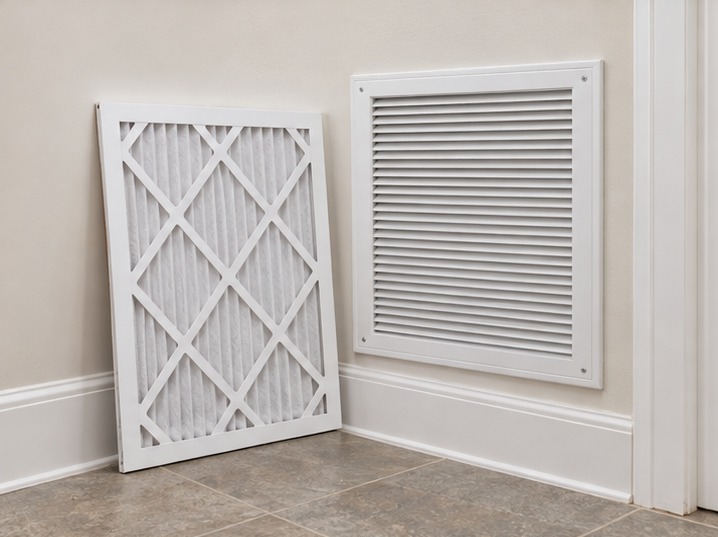
Indoor-air planning considers sources, moisture, ventilation, and the heating and cooling system. A higher-rated filter is not automatically suitable for every air handler. Ask how a proposed filter, humidifier, dehumidifier, or ventilation change fits the existing equipment and maintenance needs.
Discuss the source of the concern before buying an add-on. Filtration cannot replace every other indoor-air measure, and a device should not be presented as a medical treatment. Ask what a recommendation can reasonably address, what it cannot, and how its performance and care requirements will be reviewed.
GOOD TO KNOW
No. Different problems may involve pollutant sources, ventilation, or moisture. Filtration is one part of a broader plan and must be compatible with the system.
For an independent reference, explore EPA introduction to indoor air quality.
KEEP EXPLORING
Tell us which rooms are affected, what the system does, and when the change started. We’ll use those details to discuss available service and the next step.
Service scope and appointment availability are confirmed directly. For gas odor, smoke or a carbon monoxide alarm, leave the building and contact emergency services from a safe place.

A practical starting point for heating, cooling and room-to-room comfort in Midland Park, New Jersey.
(551) 213-3862
Info@midlandparkhvac.com
Midland Park, New Jersey
See Our Google Reviews